1
Out-of-round geometry
Shipping damage, installation damage, over-tightening, or impact can deform the female port enough to compromise connector fit and repeatability.
Port Reformer™ is a precision mechanical restoration tool designed to reform damaged or out-of-round 4.3-10 female RF ports without opening the RF cavity, replacing the connector, or retuning the unit.
A small deformation at the 4.3-10 female interface can turn an otherwise recoverable radio, TMA, filter, DAS component, or antenna into a costly replacement decision.
Shipping damage, installation damage, over-tightening, or impact can deform the female port enough to compromise connector fit and repeatability.
When the port is no longer round, the mating connector may not apply consistent 360° mechanical and RF contact pressure.
Traditional repair may require connector replacement, cavity access, retuning, extra labor, longer cycle time, or scrapping otherwise valuable equipment.
A mechanically damaged 4.3-10 female port can cause an otherwise serviceable remote radio unit to be routed to connector replacement, higher-cost repair, or scrap. Our dedicated RRU port repair page explains the failure condition, inspection process, controlled restoration method, RF validation, and repair limitations.
Port Reformer™ uses a guided collar and precision mandrel to restore the female 4.3-10 port geometry while protecting the center conductor and RF cavity.
The collar threads onto the port and creates a controlled alignment path for the reforming mandrel.
The precision mandrel is advanced through the guide collar to restore roundness at the connector interface.
A dedicated gauge gives technicians a fast mechanical check before and after the restoration process.
Final acceptance can be supported with sweep, VSWR, return loss, and PIM testing based on the carrier or repair program requirements.
Lab-proven PIM testing has shown that many RF failures are caused by slightly damaged 4.3-10 connector geometry, not a failed radio. Restoring the port interface with Port Reformer™ has fixed PIM issues on many recovered units.
A port that looks only slightly out of round can reduce contact uniformity, creating an unstable RF interface that contributes to elevated PIM.
Port Reformer™ is designed to restore the 4.3-10 female port geometry so the mating connector can make more consistent mechanical and RF contact.
In lab use, Port Reformer™ has helped recover many units that would otherwise be routed to connector replacement, higher-cost repair, or scrap.
Results depend on the type and severity of damage. Port Reformer™ is intended to correct a damaged connector-port condition and does not claim to repair unrelated internal RF failures.
Damaged 4.3-10 ports are usually treated as a small mechanical problem with a very expensive consequence. A dented, out-of-round, or slightly deformed female port can push otherwise valuable equipment toward replacement, high-cost repair, shipping delays, or scrap.
This type of damage often falls between standard repair categories. It is not always an internal RF failure, but connector replacement can require opening the unit, disturbing the RF cavity, or creating additional retuning work.
When a connector port is ruined, the traditional path often creates a replacement radio sale, a factory repair, or a higher-cost parts-and-labor event. A low-cost field recovery tool can reduce that downstream revenue, so the financial incentive to solve this specific problem has historically been weak.
Port Reformer™ was developed to address that gap by restoring the external 4.3-10 connector interface when the port damage is mechanically repairable, helping carriers and field teams recover equipment instead of automatically replacing it.
The goal is simple: turn a potentially expensive replacement decision into a controlled recovery process when the radio or RF component is otherwise serviceable.
The value is not just the price of a connector. The value is avoiding unnecessary replacement of network assets, preventing delays, and recovering equipment that would otherwise be scrapped or sent down a high-cost repair path.
| Traditional path | Port Reformer™ path | Carrier benefit |
|---|---|---|
| Replace connector, open cavity, retune, or scrap the unit. | Reform the existing 4.3-10 female port in-situ. | Lower labor, fewer parts, less rework, and faster cycle time. |
| Damaged port can drive an NTF, BER, VSWR, or PIM repeat issue. | Restore geometry and contact uniformity at the connector interface. | Improves repeatability of the RF connection and reduces avoidable returns. |
| Good radios may be removed from service because of a mechanical port issue. | Recover the asset when the RF path is otherwise serviceable. | Protects inventory, reduces emergency replacement demand, and supports sustainability goals. |
A damaged 4.3-10 port should not automatically turn an otherwise serviceable radio, filter, TMA, DAS component, or antenna into scrap. Port Reformer™ supports asset recovery by giving qualified teams a controlled way to restore mechanically repairable connector damage before equipment is replaced, shipped for higher-cost repair, or discarded.
Recovering serviceable RF assets helps reduce unnecessary scrap and keeps valuable network equipment in use longer.
Every recovered unit can reduce replacement demand, avoid unnecessary shipping and handling, and support faster return-to-service.
Many carriers are placing more emphasis on sustainability and responsible equipment lifecycle management. Port Reformer™ fits that direction by helping preserve assets that may otherwise be removed from service because of external connector damage.
Results depend on the type and severity of the damage, but the principle is simple: repair the recoverable port, preserve the asset, and avoid unnecessary scrap.
Estimate how quickly a one-time Port Reformer™ kit purchase can pay for itself by restoring damaged 4.3-10 ports instead of replacing or scrapping equipment.
This calculator treats Port Reformer™ as a one-time tool/kit purchase, not a per-repair service charge. Estimated savings assume each successful restoration avoids replacement, scrap, or a higher-cost repair path. Actual savings depend on carrier acceptance criteria, equipment type, replacement cost, labor rate, shipping cost, cycle time, and RF test results.
Early field use shows the value of restoring damaged 4.3-10 ports instead of scrapping otherwise recoverable RF assets.
“Restored 47 ports in one week. Zero post-repair PIM failures. This tool paid for itself on the first day.”— Senior RF Technician
“We were scrapping good radios because of port damage. Port Reformer changed that. Excellent ROI.”— Repair Program Manager
Port Reformer™ can be used by qualified RF technicians, tower crews, carrier distribution centers, and asset recovery teams to restore damaged 4.3-10 ports before equipment is removed, shipped, staged, or scrapped.
Restore mechanically suitable 4.3-10 ports during field triage, helping avoid unnecessary removal, shipping, downtime, and replacement cost. See the dedicated RRU port repair process for remote radio units.
Inspect and recover staged radios, filters, TMAs, and other RF assets before they are routed to replacement, high-cost repair, or scrap.
Add port restoration to inventory screening, refurbishment, and return-to-service workflows for valuable LTE and 5G infrastructure.
Port Reformer™ is designed to restore damaged or out-of-round 4.3-10 female port geometry using a controlled guided process.
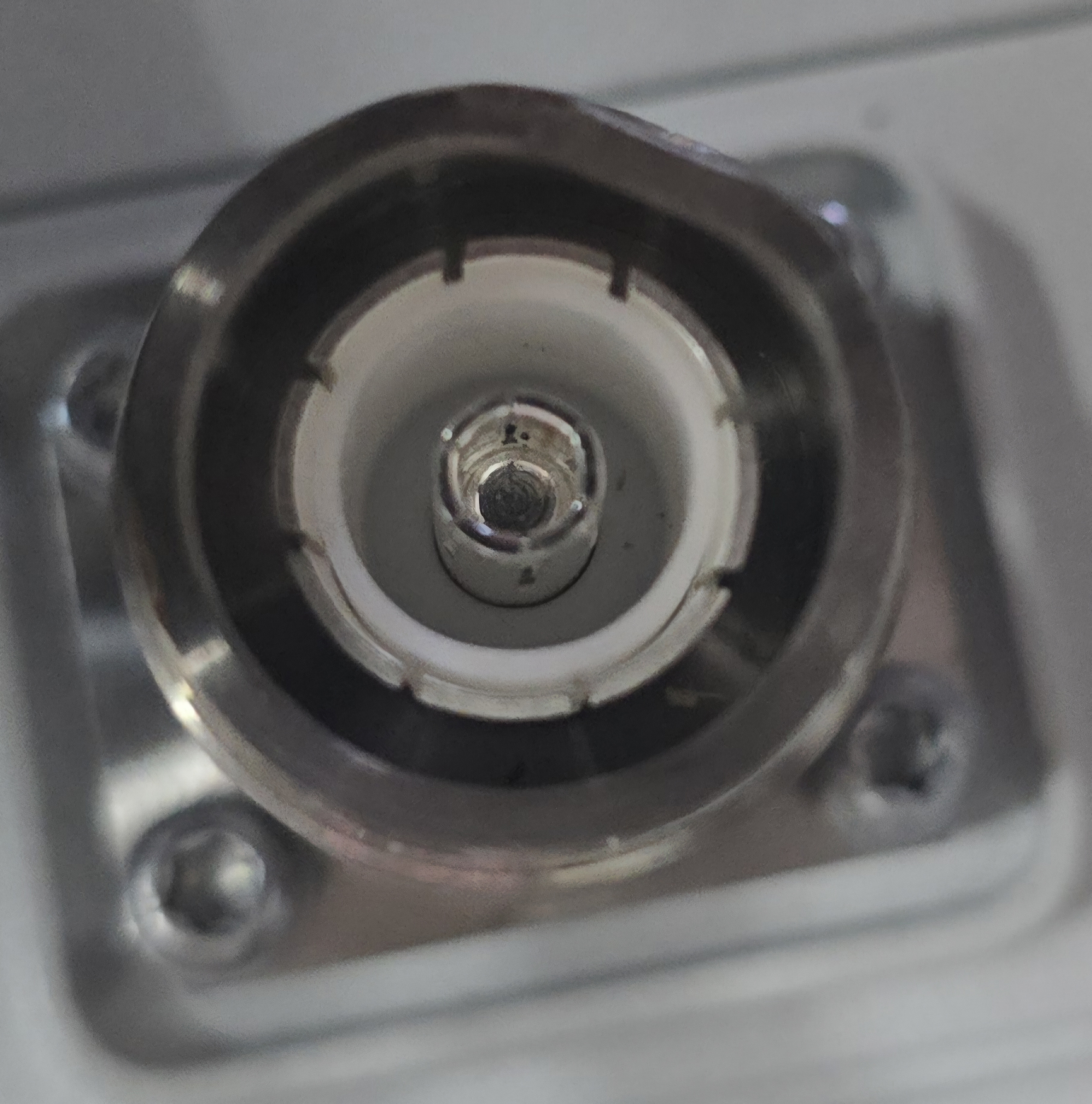
Damaged or deformed 4.3-10 female port geometry can reduce connector repeatability, contact uniformity, and RF performance.
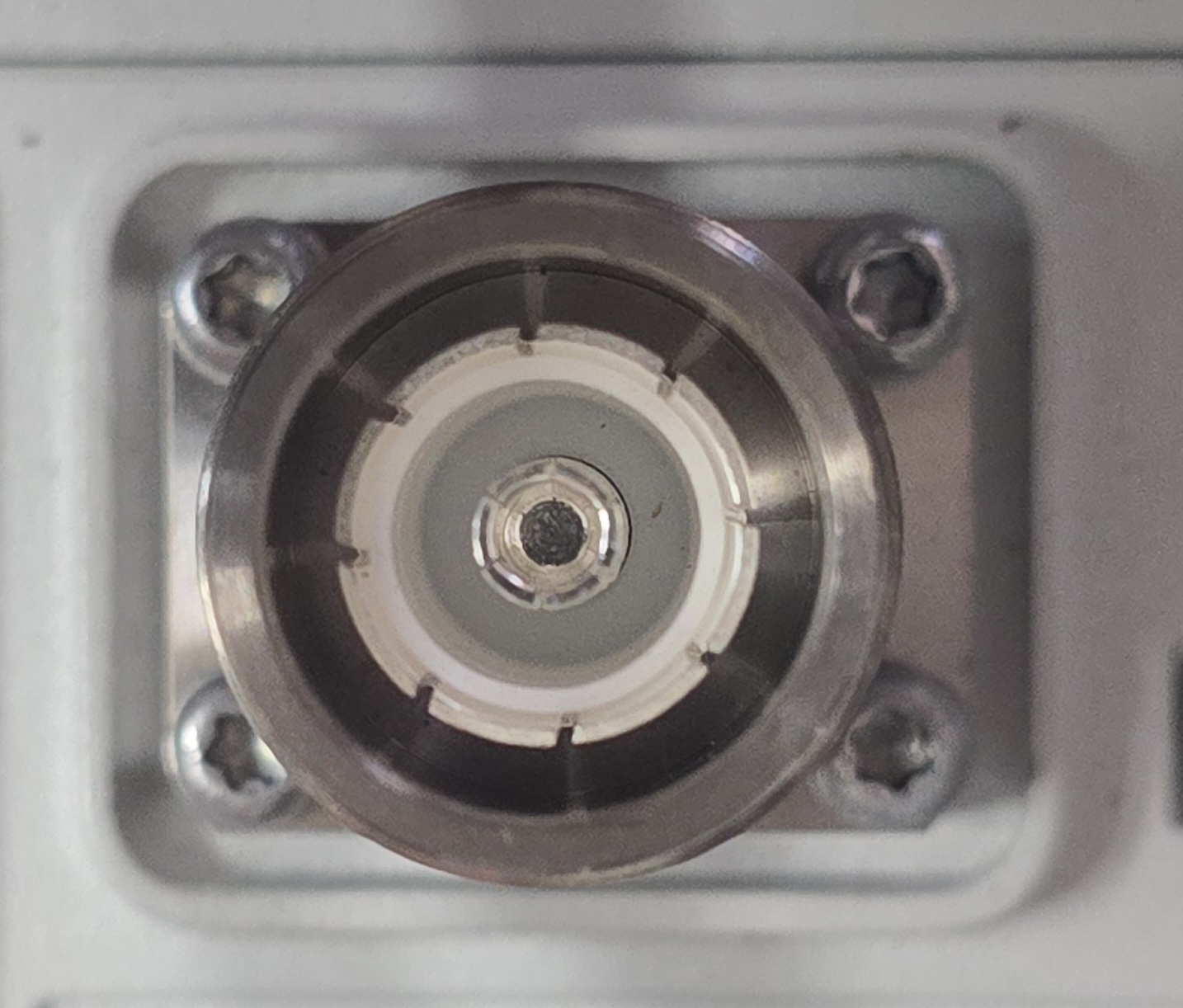
The restored port geometry supports a more uniform mechanical and RF interface before final sweep, VSWR, return loss, or PIM validation.
Images are for visual demonstration. Final acceptance should be based on the carrier or repair program’s mechanical inspection and RF test criteria.
Send sample units, damaged ports, or program requirements to discuss a controlled evaluation. Ideal validation includes mechanical inspection, before/after photos, VSWR or return loss, and PIM testing where applicable.
Contact us directly at sales@portreformer.com